
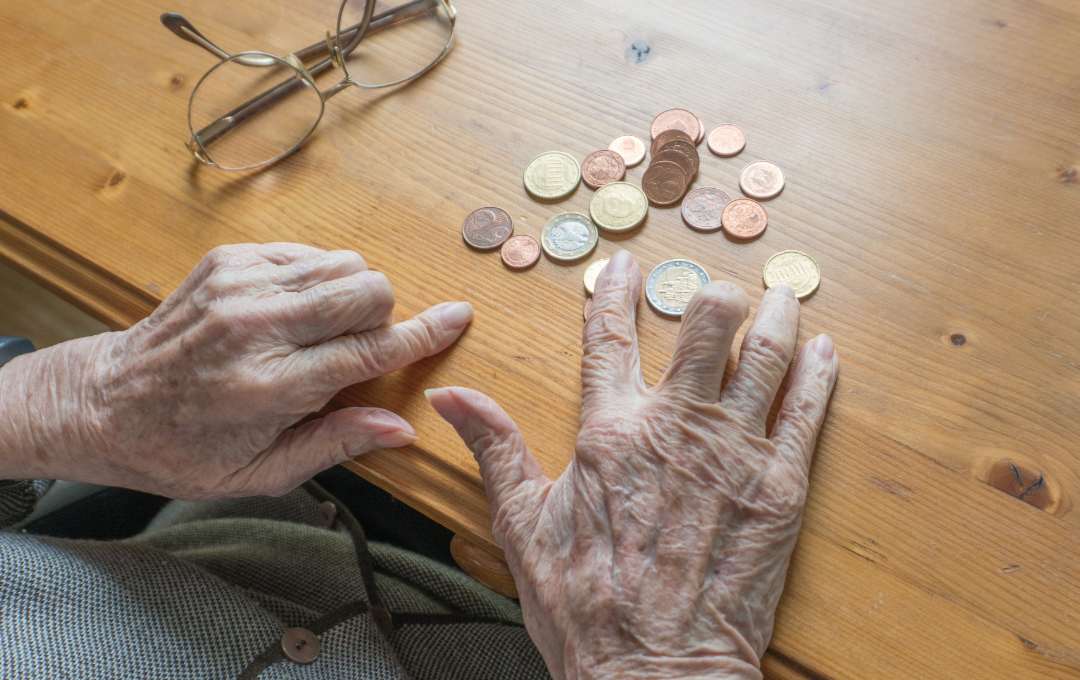
The government has announced the revival of the Pensions Commission, twenty years after it helped bring in automatic enrolment. Its goal is to stop future pensioners from being worse off than those retiring today.
New government analysis suggests some worrying trends:
- 45% of working-age adults are saving nothing into a pension
- 4 in 10 people are undersaving for retirement
- Self-employed workers, low earners and some ethnic minorities are most at risk of falling behind
- There’s a 48% gap in private pension wealth between men and women
It’s estimated that people retiring in 2050 could see 8% less private pension income than today’s pensioners.
What’s the Commission going to do?
The newly revived Commission will look at what may be stopping people from saving enough and will issue its final report in 2027.
What does this mean if you’re a business owner or self-employed?
If you're self-employed or run a small business, this news is a reminder to check in on your own retirement planning. The figures suggest that 3 million self-employed people aren’t saving into a pension.
However, these figures don’t factor in that many business owners look to use their business as their pension. For instance, you may be planning to sell the business or property within it to fund retirement.
Whatever the case, it’s practical to regularly review your planning to check that you will have enough to retire on. Contributing to pensions also carry some tax advantages which can be worth factoring in.
Possible effects on employers could include auto-enrolment being expanded with increased costs or administration work. It’s too early to know what the Pension Commission will recommend, but it could pay to watch developments so that you can be prepared.

HMRC have clarified the position on Self Assessment tax return reporting requirements for directors of close companies and updated their guidance for directors of charities.

HMRC have updated guidance on UK VAT refunds for non-UK businesses in a VAT group. Revenue & Customs Brief 10 (2026) explains changes to how non-UK businesses in a VAT group should make future UK VAT refund claims and the transitional arrangements. It also explains how to ask HMRC to reconsider claims made since 1 January 2021 that have been refused.


